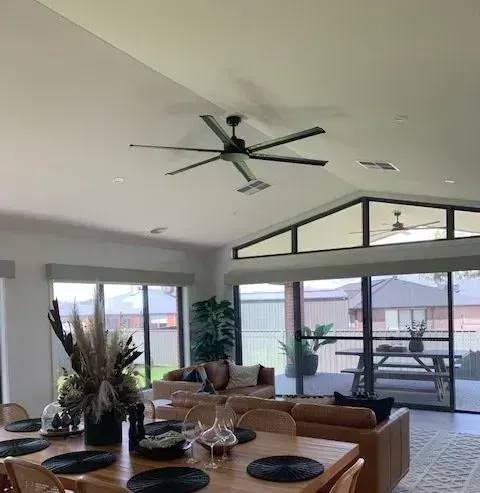
The short answer
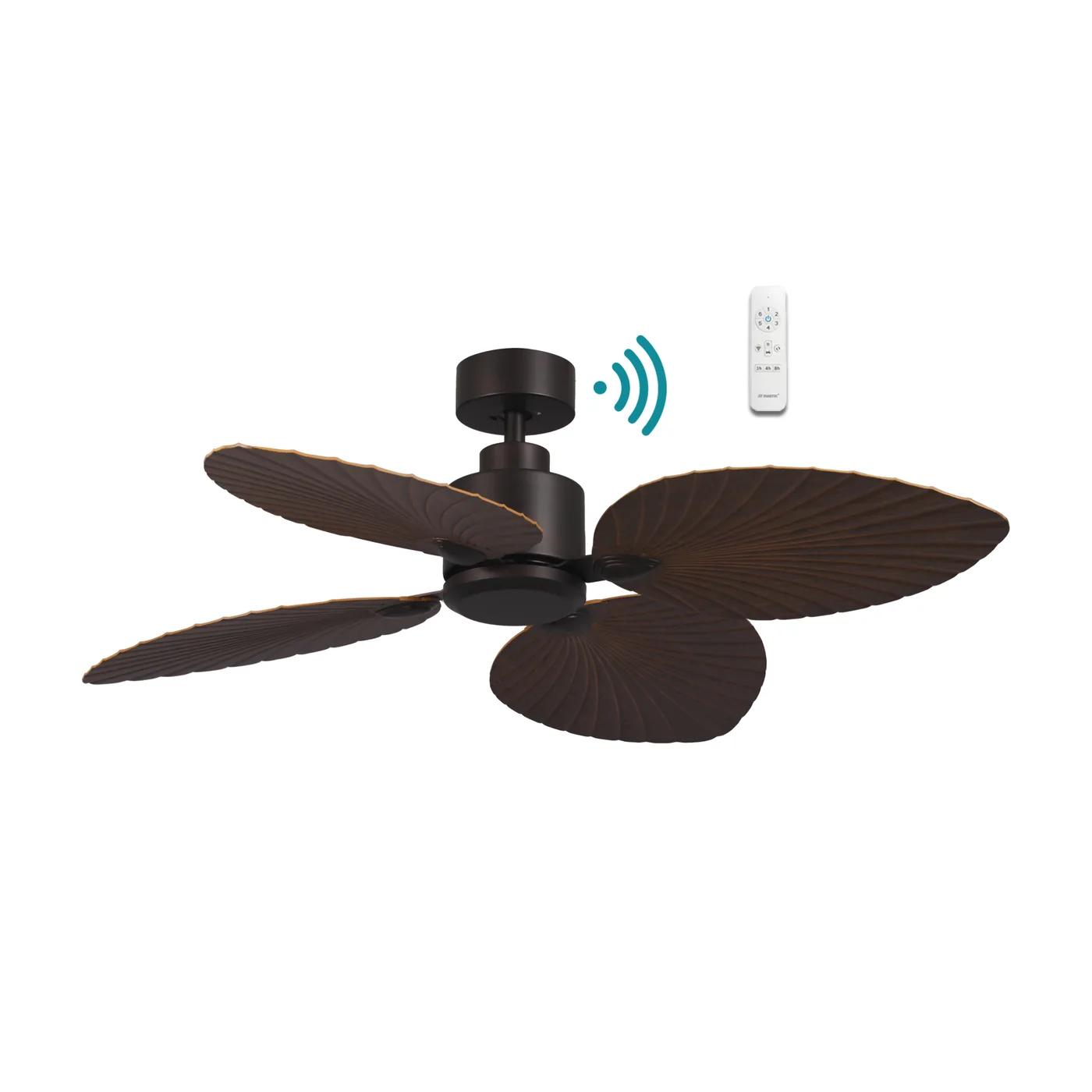
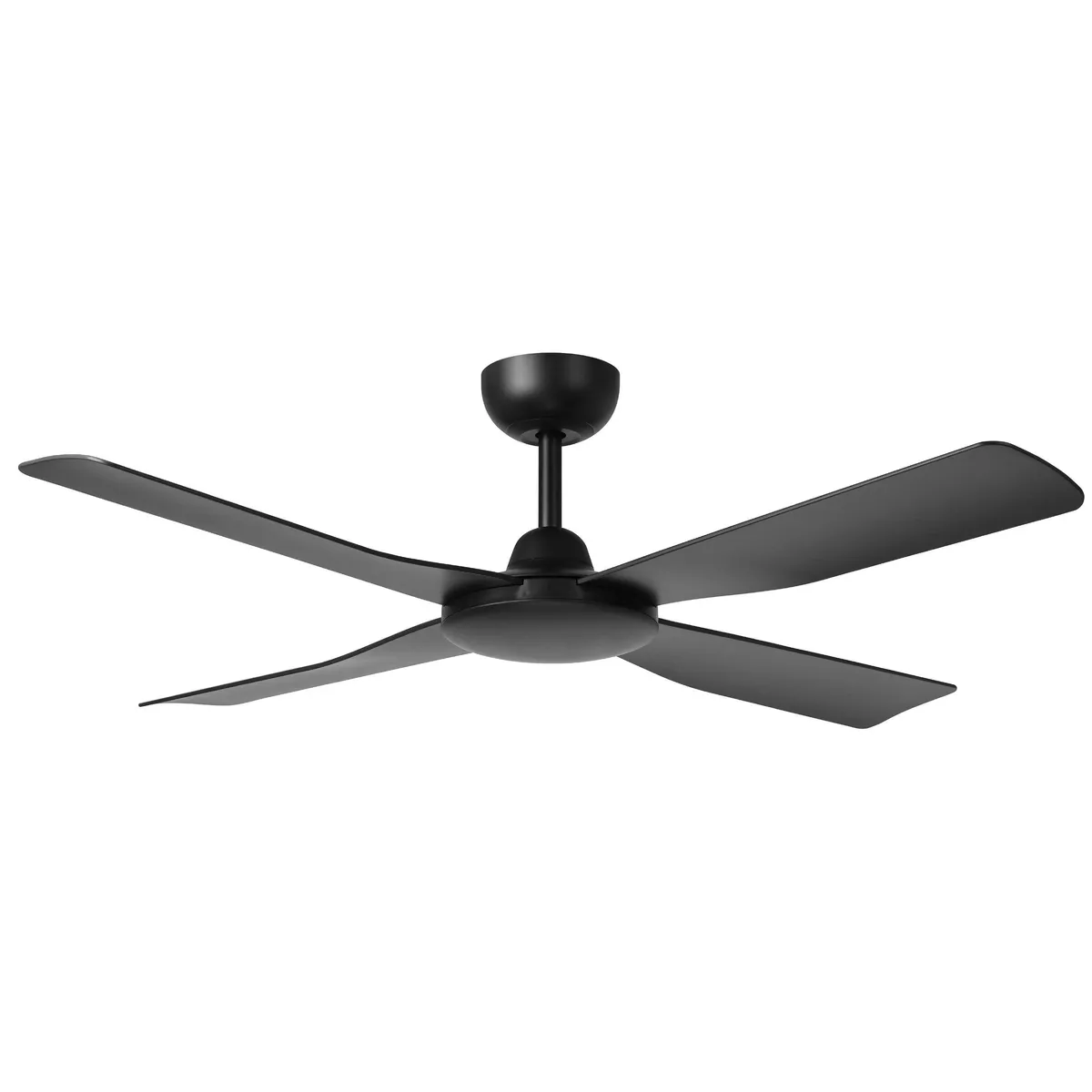
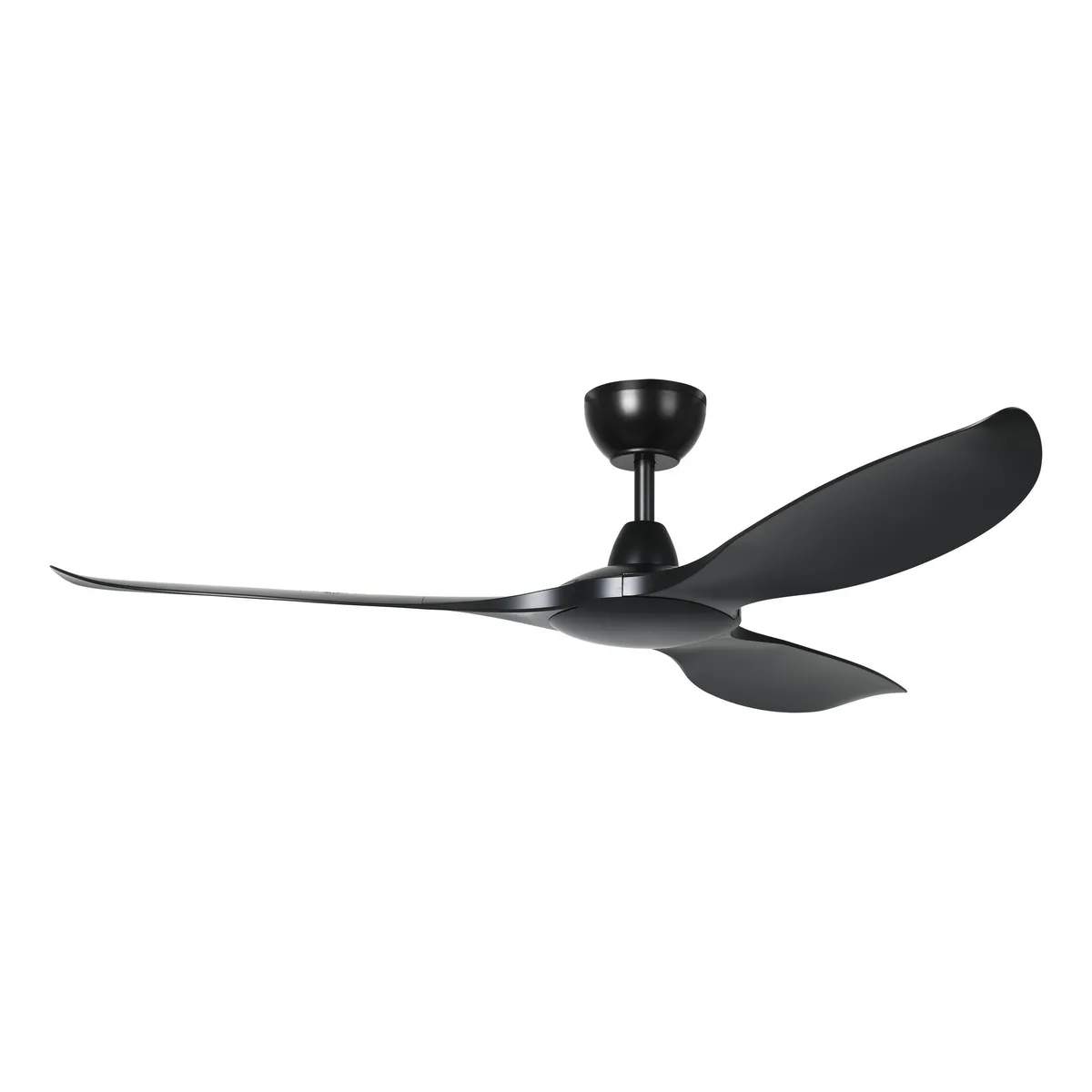
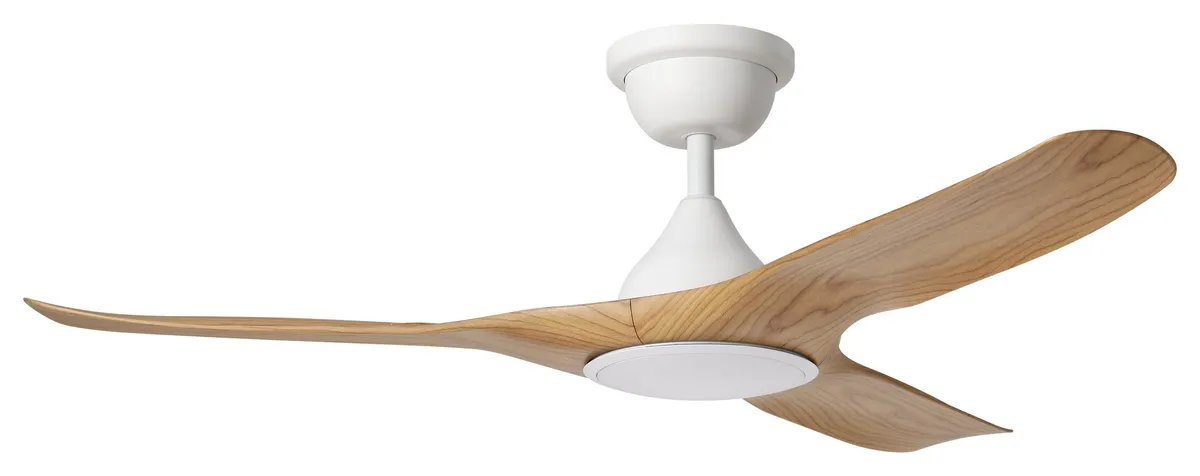
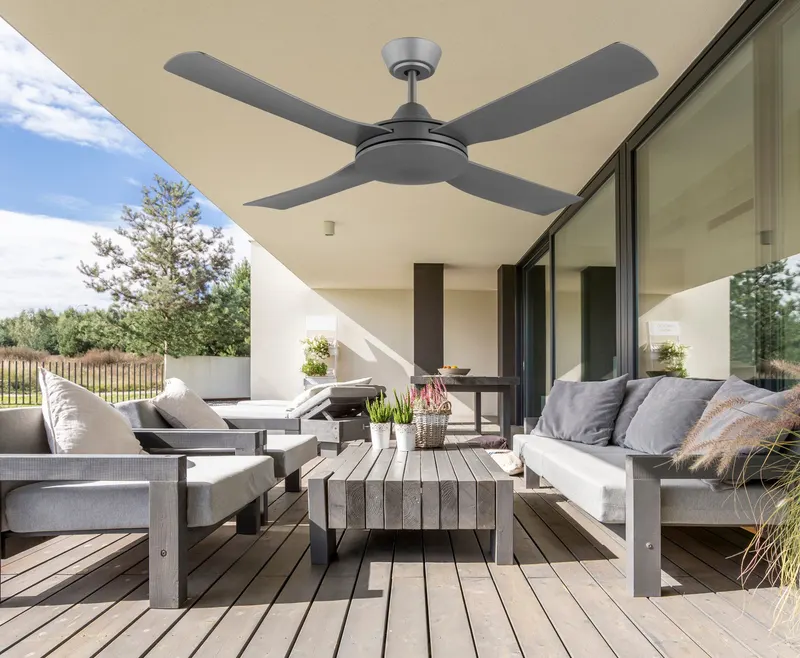
For a roofed alfresco, patio or verandah, choose a fan the manufacturer rates for covered outdoor use, with ABS or composite blades and a rust-resistant finish. If the fan will be hit by rain or hosed down, you need a higher IP rating, and near salt water you need a coastal-rated or 316 stainless steel fan. An outdoor-rated fan can be used indoors, but an indoor-only fan shouldn't go outside.
What makes a ceiling fan suitable for outdoors?
Outside, a fan lives with damp air, dust, insects, sun and big swings in temperature, even when it never gets rained on. An outdoor-rated fan is built for that. Three things matter most.
- Blades that don't absorb moisture. ABS and composite blades keep their shape in damp air. Timber, plywood and MDF blades can swell, warp and droop, which throws the fan out of balance.
- A finish that resists rust. Look for ABS or aluminium bodies, powder-coated or treated steel, and stainless steel fixings. An indoor finish can pit and rust outside.
- A sealed motor and electrics. An IP rating tells you how well the fan keeps out dust and water. UV-resistant materials also stop white fans yellowing and going brittle in the sun.
Covered alfresco or exposed: which fan do I need?
Start with how much weather can reach the fan. Most fans sold for outdoor use are rated for covered areas only: under a solid roof, well back from the edge, where rain doesn't reach. A fan near an open edge, under a slatted pergola or in a spot that gets wind-driven rain needs a proper IP rating.
Be honest about how the space is used as well. If you hose down the alfresco, or the fan sits near a pool or an outdoor kitchen, treat it as more exposed than it looks.
| Where the fan is going | What to look for |
|---|---|
| Fully enclosed outdoor room or sunroom | A fan rated for indoor and covered or enclosed outdoor use |
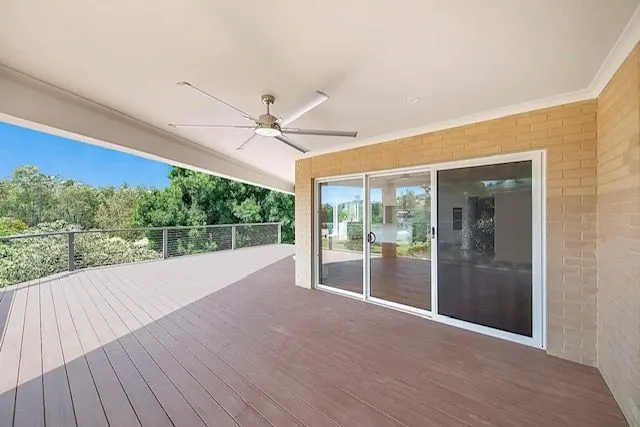
| Roofed alfresco, patio or verandah, away from the edges | A covered-outdoor rating, ABS or composite blades and a rust-resistant finish |
| Near an open edge, or where wind-driven rain reaches | An IP-rated outdoor fan. Check the IP rating suits the exposure |
| Open pergola or no solid roof | A fan the manufacturer rates for exposed locations, with a high IP rating. Many outdoor fans are not suitable |
| Near the coast or a salt-water pool | A coastal-rated fan or 316 stainless steel |
What does the IP rating on an outdoor fan mean?
IP stands for ingress protection. It's a two-digit code. The first digit is protection against solid objects and dust, on a scale up to 6. The second is protection against water. Higher numbers mean better protection.
A rating applies to the fan as the manufacturer supplies it. Changing the mounting can affect it. For example, the two IP-rated Eglo outdoor fans in our range, Kurrawa and Tahiti, both note that fitting an angle canopy for a raked ceiling voids the IP rating.
| Rating | In plain words | Example from our range |
|---|---|---|
| IP44 | Protected against small objects and against water splashing from any direction | Mercator Cooya |
| IP55 | Protected against dust getting in where it could cause harm, and against jets of water | Eglo Kurrawa, Mercator Guardian |
| IP66 | Dust tight, and protected against powerful jets of water | Eglo Tahiti |
Do I need a coastal or 316 stainless steel fan?
Only where salt is in the air. Salt speeds up corrosion, so homes near the sea need coastal-rated fans or fans made from 316 marine-grade stainless steel, which resists salt far better than ordinary steel. The Martec Precision in our range, for example, has a body, canopy and blades made entirely from 316 stainless steel.
Albury-Wodonga is a long way inland, so for most local alfresco areas a covered-outdoor rated fan is all you need. The exceptions are fans close to a salt-water pool, and fans you're buying for a holiday house on the coast. Tell us where the fan is going and we'll steer you to the right rating.
What size fan does an alfresco area need?
Go bigger than you would for the same floor area indoors. Outside there are no walls to hold the moving air, and any natural breeze carries it away. A 1400mm to 1600mm fan suits many patios, and long alfresco areas usually work better with two fans than with one very large one. Place each fan over where people sit, such as the table or the lounge setting.
The height rule is the same as indoors: blades at least 2.1m above the floor is the usual Australian requirement. Alfresco roofs are often lower or pitched, so measure before you choose, and check the fan can be mounted on your roof's angle. Our ceiling fan size guide has the full chart.
Can an outdoor ceiling fan be installed indoors?
Yes. An outdoor-rated fan works perfectly well inside, and the materials that survive on a patio make it a sound choice for humid rooms. Many of the fans in our range are rated for both indoor and covered outdoor use, so you can run the same fan through the living room and out onto the alfresco.
The reverse isn't true. An indoor-only fan shouldn't be installed outside, even under a roof. Its blades and finish aren't made for damp air, and using it outdoors may void the warranty.
See outdoor fans in our Albury showroom
Bring the measurements of your alfresco area, the roof height and a photo or two to Lighting Bonanza on the corner of Dean and David Streets, Albury. We have fans from Martec, Mercator, Eglo and Calibo running on display, and we can check the rating, size and mounting against your space. As with any hardwired fan, installation is a job for a licensed electrician.