
The short answer
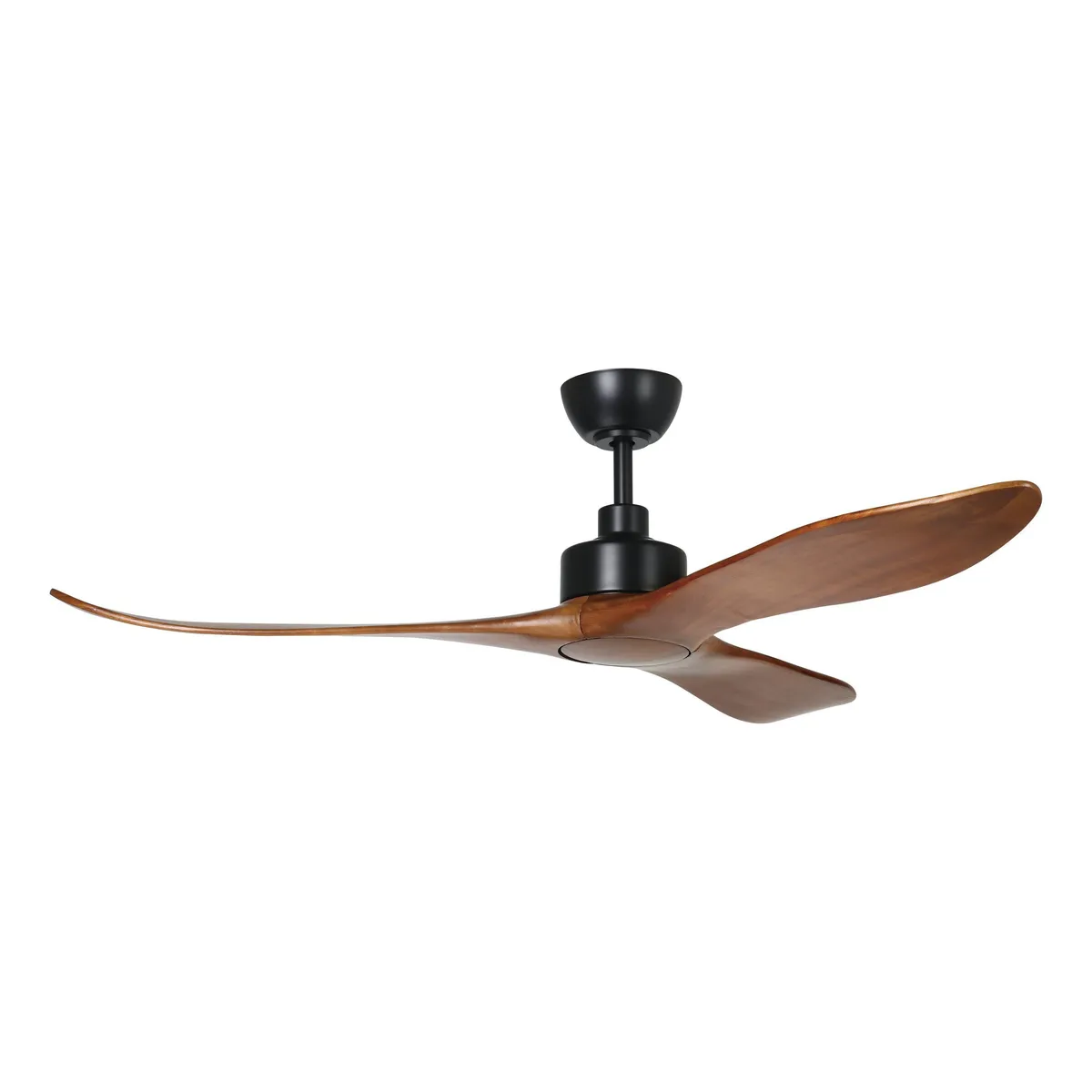
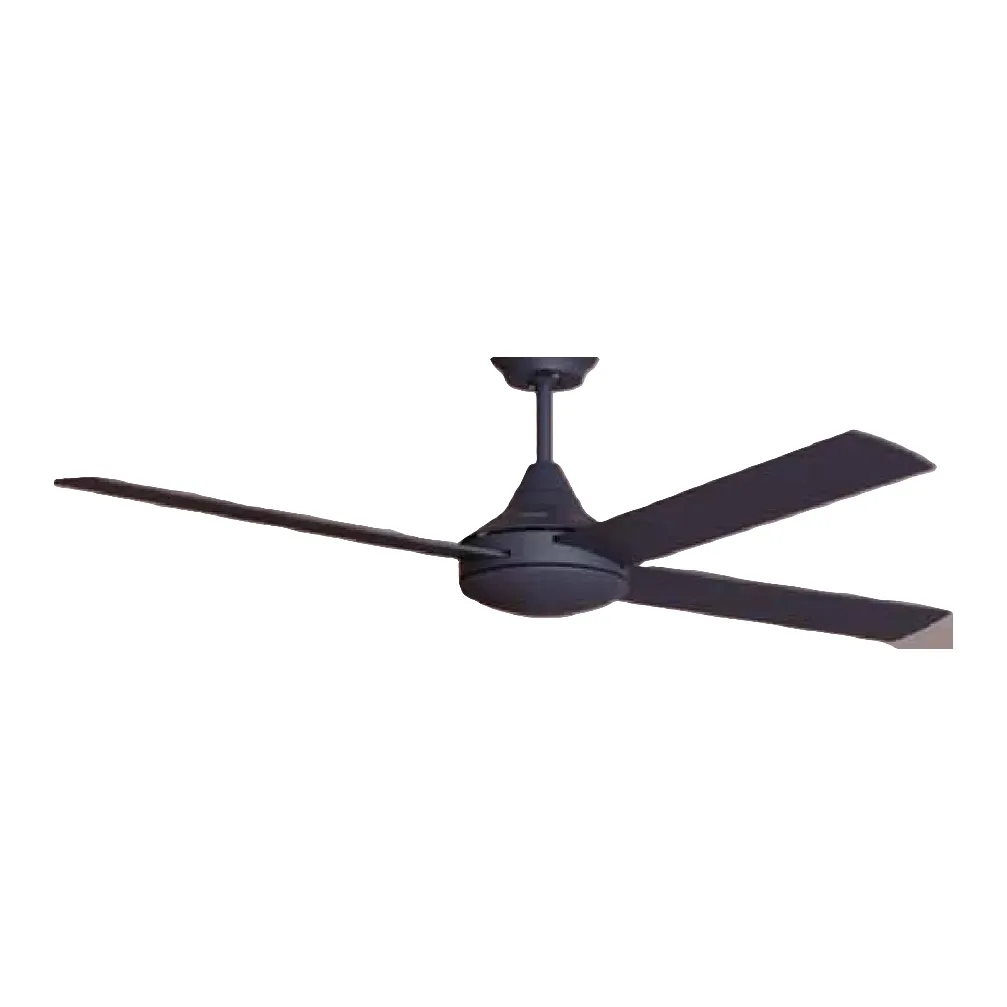
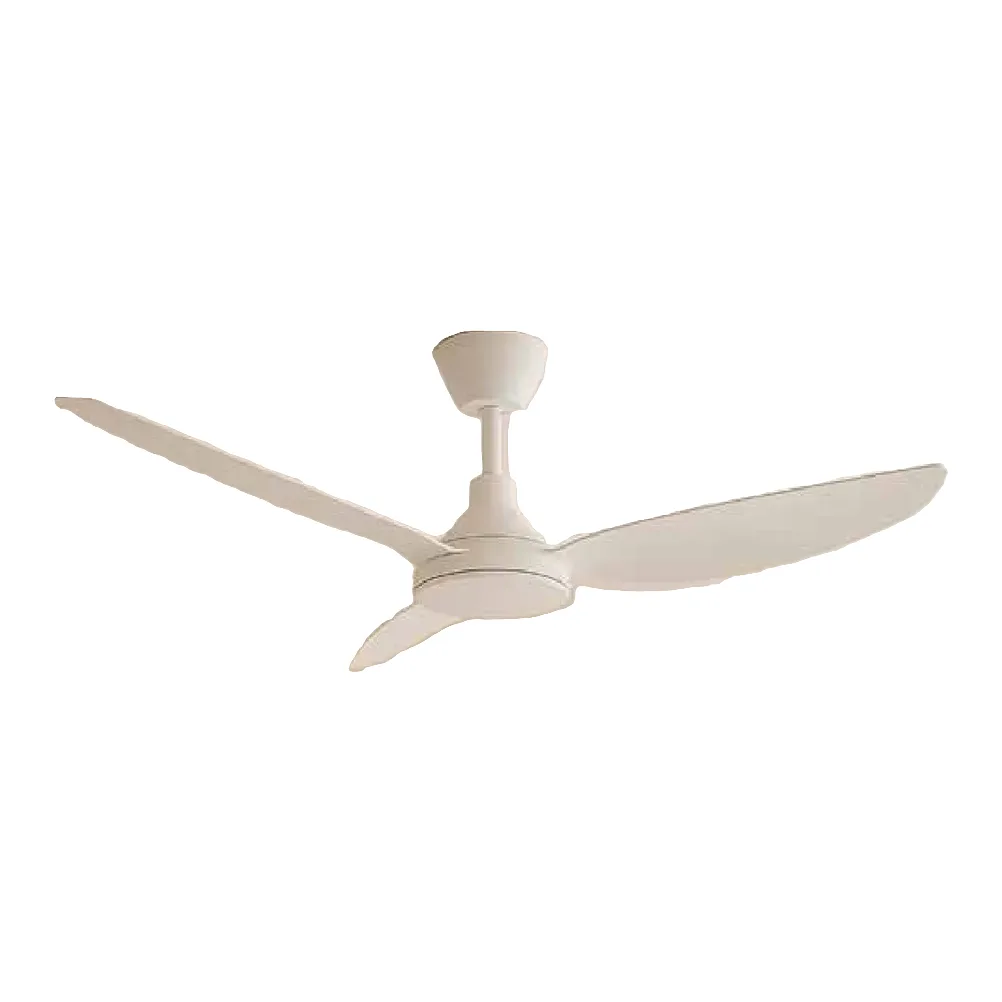
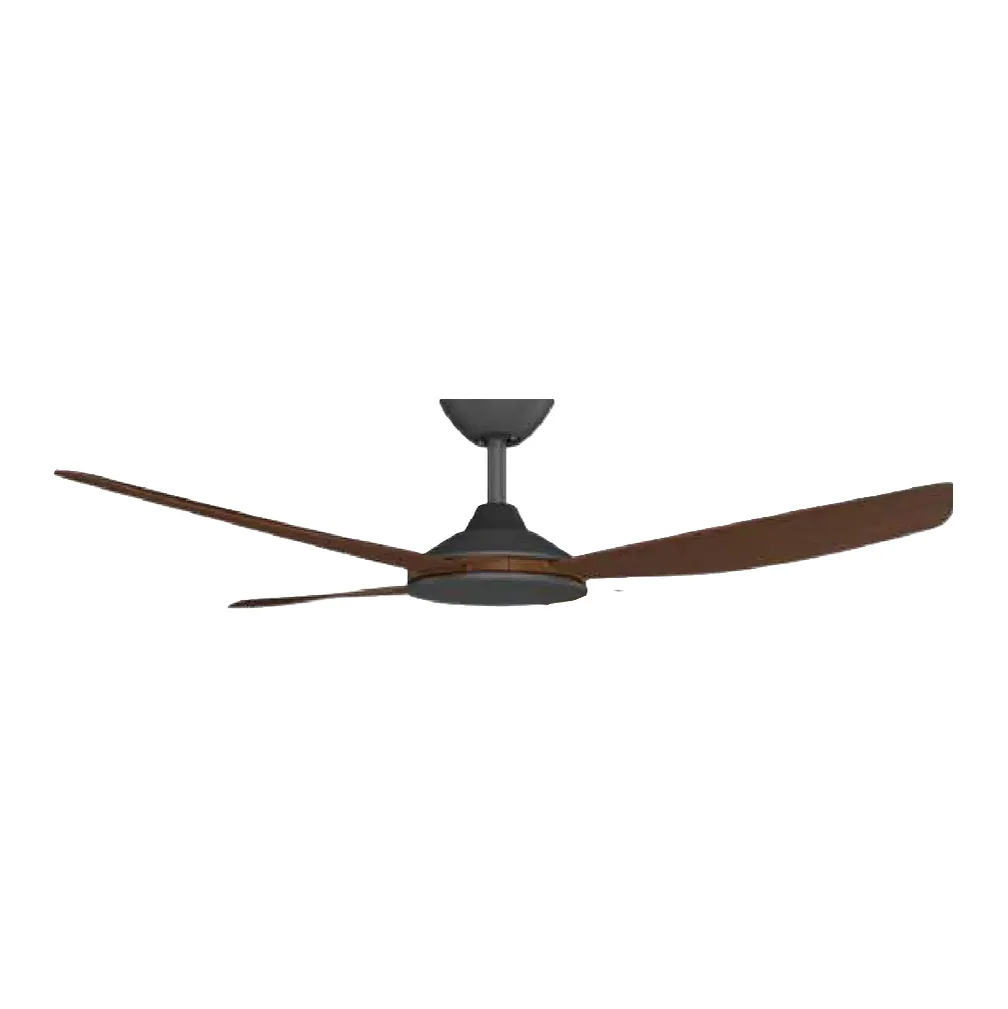
Blade count matters less than most people expect. How much air a ceiling fan moves depends mainly on its motor, the pitch of the blades and the diameter, not on whether it has three, four or five blades. As a general tendency, fans with fewer blades spin faster and give a more direct breeze, while fans with more blades are a little quieter and smoother at low speed. Compare the airflow figure in m³/hr instead.
Do more blades move more air?
Not by themselves. It seems logical that five blades would push more air than three, but each extra blade also adds weight and drag, so the motor has to work harder to turn them. Unless the motor is stronger too, the fan turns more slowly and the gain disappears.
This is why you'll find three-blade fans that move more air than five-blade fans, and the reverse. The blade count is one design choice among several, and the fan's designer balances it against the motor, the blade shape and the speed the fan runs at.
What actually decides how much air a fan moves?
Four things do most of the work.
- Diameter: a wider sweep covers more of the room. This is the first thing to get right, and our ceiling fan size guide matches sweep to room size.
- Blade pitch: the angle of the blades. A steeper blade pushes more air on each turn, but it needs a motor with enough strength to drive it.
- Motor: a stronger, well-matched motor keeps the blades at speed. DC motors do this while using less power and with more speed steps.
- Blade shape: modern moulded blades are curved and twisted along their length to move air smoothly, which helps both airflow and noise.
3 blade vs 4 blade vs 5 blade: how do they compare?
These are general tendencies, not rules. A well-designed fan of any blade count can beat a poorly designed one, so use the table for a feel of the differences and the specifications for the decision.
| 3 blade | 4 blade | 5 blade | |
|---|---|---|---|
| Typical feel | Faster spin, more direct breeze | A balance of the two | Slower spin, softer and smoother air movement |
| Noise | Quiet on a good fan. Blade noise can be more noticeable on high speed | Quiet | Tends to be a little quieter, most noticeably at low speed |
| Look | Clean and modern | Classic, the familiar ceiling fan shape | Traditional, coastal or Hamptons, with a fuller look |
| Weight on the motor | Lightest | Moderate | Heaviest |
| Cleaning | Fewest blades to wipe | One more | Most to wipe |
| Often chosen for | Living areas, modern homes, covered outdoor areas | Bedrooms and general use | Bedrooms and rooms where the fan is a feature |
Is a 3 or 5 blade fan better?
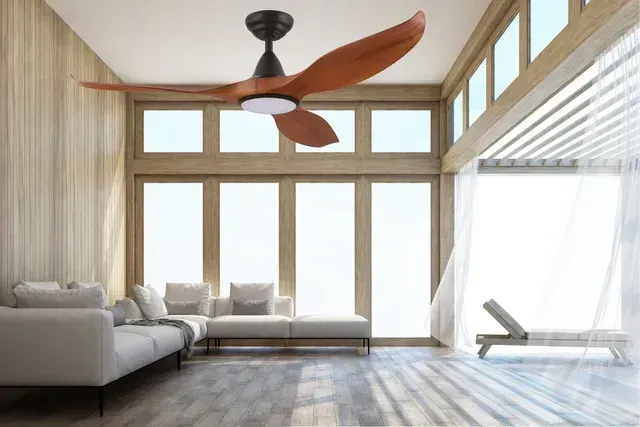
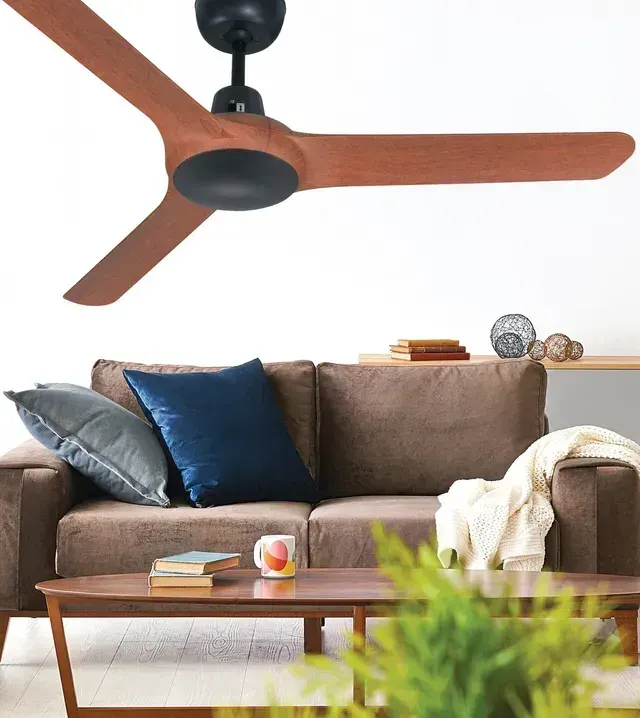
Neither is better across the board. If you like a noticeable breeze and a clean, modern look, a three-blade fan is a good fit. If you want gentle, even air movement for sleeping and prefer a fuller or more traditional look, a five-blade fan suits. Four blades sit between the two.
In practice, most people choose blade count on looks, then check that the fan's size, airflow and noise suit the room. That is a sensible way to do it.
How do I compare airflow between fans?
Look for the airflow figure on the specification sheet. It's given in cubic metres per hour (m³/hr), measured at the fan's highest speed. A higher number means more air moved. We list the maximum airflow on our product pages wherever the manufacturer publishes it.
Compare fans of a similar diameter, because a bigger fan will almost always move more air than a smaller one. Then look at the motor's wattage beside the airflow. A fan that moves a lot of air for few watts is an efficient one.
Remember that the figure is for top speed. Most of the time a fan runs on a low or medium setting, so the number of speeds and how gentle the lowest one is matter just as much day to day, particularly in a bedroom.
What about fans with 6, 8 or more blades?
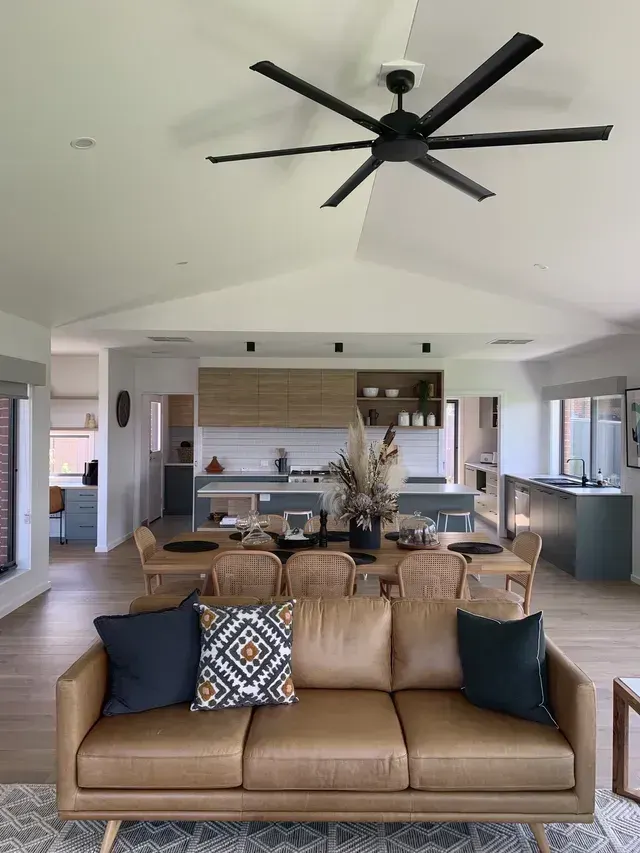
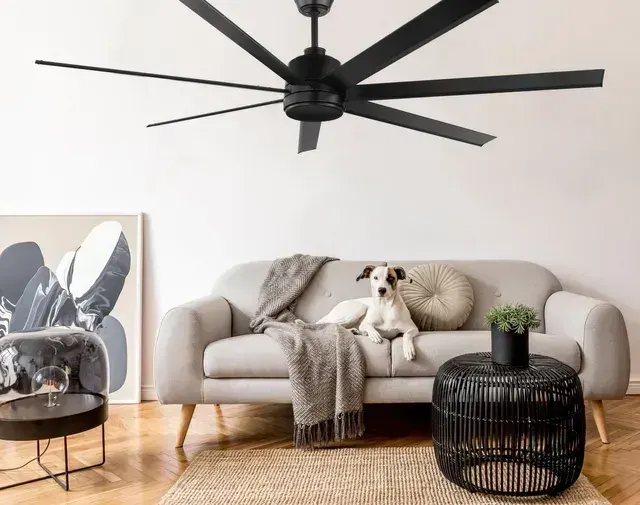
Large fans for open-plan rooms and big alfresco areas often have six or eight slim blades. The idea is the same in reverse: a wide fan turning slowly, with many narrow blades, moves a large volume of air gently and quietly across a big space. These fans are chosen for their diameter first. The blade count follows from the design.
Does blade material matter more than blade count?
Often, yes. Moulded ABS and composite blades can be formed into efficient curved shapes, don't warp in damp air and suit covered outdoor areas on fans rated for them. Timber and plywood blades have a warmth that's hard to copy, but they're generally for indoor use. Aluminium and stainless steel blades are common on large and coastal fans. For an alfresco area, the fan's outdoor rating matters far more than how many blades it has.
Compare blade counts side by side in Albury
The differences between blade counts are easier to feel than to read about. At Lighting Bonanza, on the corner of Dean and David Streets, Albury, we have ceiling fans from Martec, Mercator, Eglo and Calibo running on display. Stand under a few with different blade counts on the same speed, listen to them, and choose the one that feels right for the room.